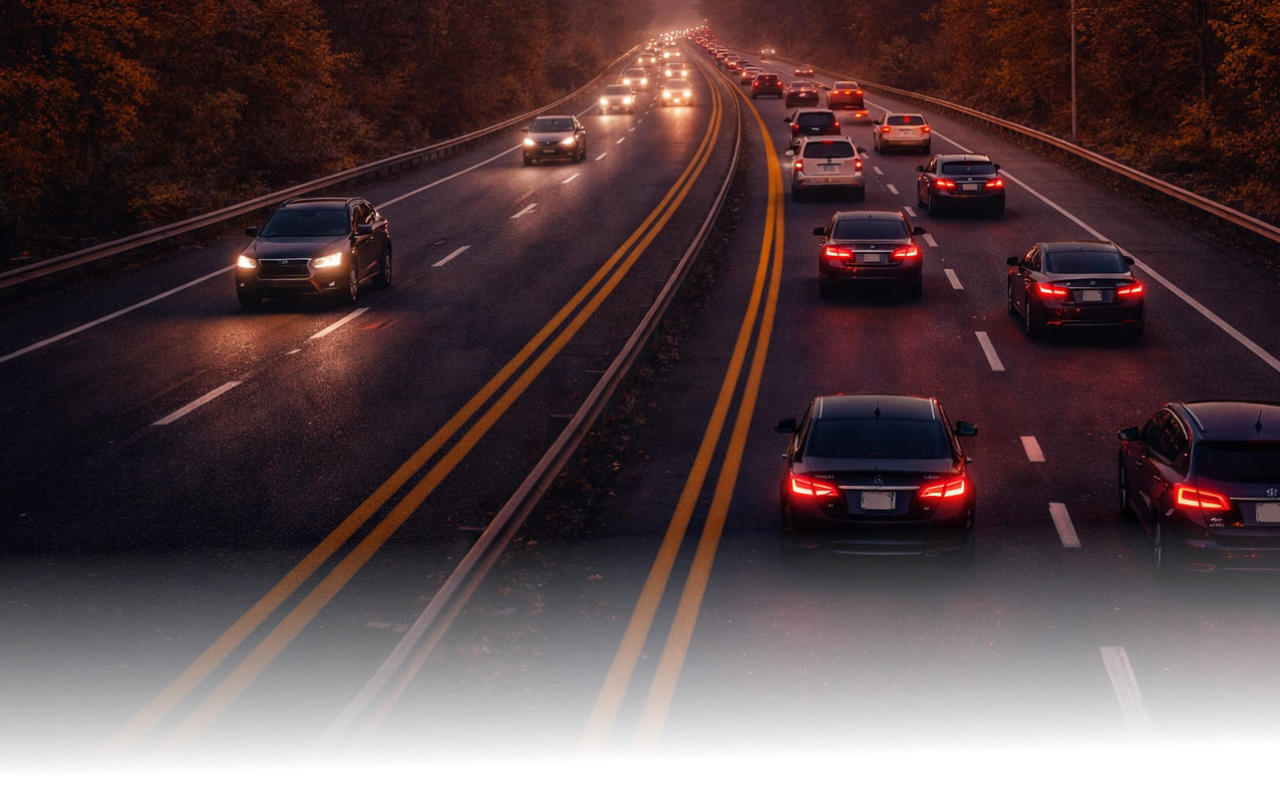






Your Next Collision Isn’t Random
It’s forming in patterns your drivers aren’t trained to see.
Fleet managers running light vehicle fleets across North America are losing drivers, vehicles, and liability margin to collisions that a structured risk assessment system would have identified - and in most cases, prevented.





Why Conventional Driver Safety Training Doesn't Work
Most fleet collisions aren't caused by reckless drivers. They're caused by experienced drivers whose habits have never been measured against the specific conditions that produce crashes. Standard compliance training doesn't fix this. It delivers rules to drivers who already believe they drive well - and experienced drivers with clean records have every reason to believe exactly that. They sit through the training, pass the assessment, and drive home unchanged. The problem isn't driver attitude. It's that conventional training was never designed to change the habits that actually cause collisions. It was designed to demonstrate that training occurred.The DHA Crash Proof System™
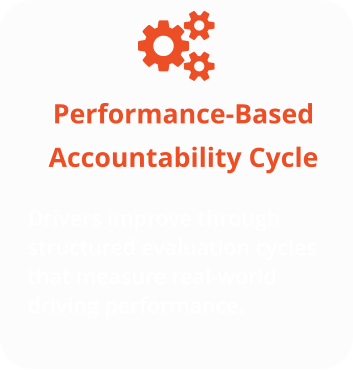
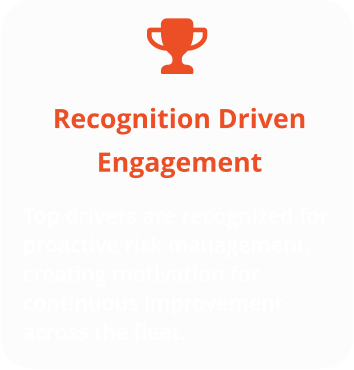
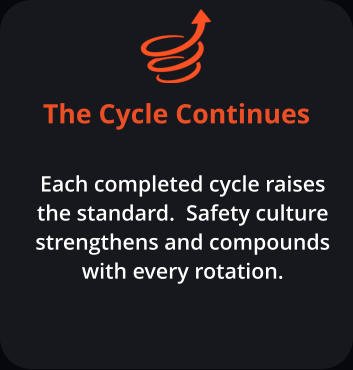
A structured cycle that measures and changes the driving habits that predict collisions - before one occurs.

Because traffic patterns repeat, crash patterns repeat. A trained evaluator can identify which
collision scenarios each driver is most vulnerable to - based on current habits, before any
incident has occurred.


We do not wait for crashes to reveal risk.
We measure the driving habits that predict them.
Now Selecting Fleet Partners
The Crash Proof Fleet Program is currently accepting applications from three to five light vehicle fleets across North America for the founding pilot program. Pilot partners receive direct implementation support, supervisor training, reduced program pricing, and detailed crash-risk analysis reports across their fleet. In return, pilot partners agree to share outcome data and implementation feedback that will shape the program's broader release. Spots are limited by design. The pilot is structured to ensure each partner fleet receives the implementation attention the program requires to work.



Not ready to apply? Take the Fleet Safety Program Assessment first
20 questions, instant results, free.




From a driver who went through the DHA system:
“I drove for Calgary Transit for 30 years and right now driving school buses for 20
years. I have taken a lot of safety driving courses. Driving Hero covered a lot of
information that has never been covered in any of them! I didn’t expect to learn
much but I was surprised! It’s true, you can’t know what you don’t know… and I
didn’t know! The Driving Hero people have put a lot of thought into how to
improve driver safety; not only for professional drivers but those just learning
and any of us in between. Their defensive driving program is excellent!”
Dave Butler
Calgary, Canada

















Privacy Policy | Terms

Your Next Collision
Isn’t Random
It’s forming in patterns
your drivers aren’t
trained to see.
Fleet managers running light vehicle fleets across North America are losing drivers, vehicles, and liability margin to collisions that a structured risk assessment system would have identified - and in most cases, prevented.Why Conventional Driver
Safety Training Doesn't
Work
Most fleet collisions aren't caused by reckless drivers. They're caused by experienced drivers whose habits have never been measured against the specific conditions that produce crashes. Standard compliance training doesn't fix this. It delivers rules to drivers who already believe they drive well - and experienced drivers with clean records have every reason to believe exactly that. They sit through the training, pass the assessment, and drive home unchanged. The problem isn't driver attitude. It's that conventional training was never designed to change the habits that actually cause collisions. It was designed to demonstrate that training occurred.The DHA Crash Proof
System™
A structured cycle that measures and changes the driving habits that predict collisions - before one occurs.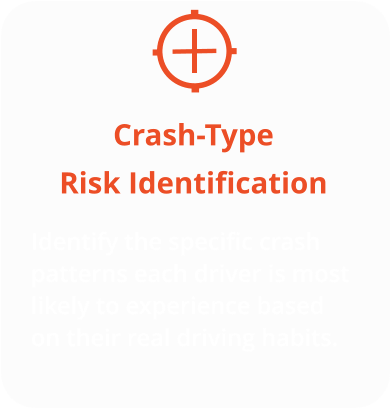

Because traffic patterns
repeat, crash patterns
repeat. A trained evaluator
can identify which collision
scenarios each driver is most
vulnerable to - based on
current habits, before any
incident has occurred.

We do not wait for
crashes to reveal risk.
We measure the driving
habits that predict them.
Now Selecting Fleet
Partners
The Crash Proof Fleet Program is currently accepting applications from three to five light vehicle fleets across North America for the founding pilot program. Pilot partners receive direct implementation support, supervisor training, reduced program pricing, and detailed crash-risk analysis reports across their fleet. In return, pilot partners agree to share outcome data and implementation feedback that will shape the program's broader release. Spots are limited by design. The pilot is structured to ensure each partner fleet receives the implementation attention the program requires to work.


Not ready to apply? Take the Fleet
Safety Program Assessment first 20
questions, instant results, free.



From a driver who went
through the DHA system:
“I drove for Calgary Transit for
30 years and right now
driving school buses for 20
years. I have taken a lot of
safety driving courses. Driving
Hero covered a lot of
information that has never
been covered in any of them!
I didn’t expect to learn much
but I was surprised! It’s true,
you can’t know what you
don’t know… and I didn’t
know! The Driving Hero
people have put a lot of
thought into how to improve
driver safety; not only for
professional drivers but those
just learning and any of us in
between. Their defensive
driving program is excellent!”
Dave Butler
Calgary, Canada

